
The development of international relations has increased the importance of foreign language education in the modern world. For Tajikistan, which has been developing its international cooperation since gaining state independence, knowledge of foreign languages, particularly English, has become an important component of education and professional development. English serves as one of the major means of international communication in diplomacy, science, education, economics and culture. Тhe role of English language learning in strengthening international communication, expanding educational and scientific cooperation, developing intercultural communication, and preparing qualified specialists in Tajikistan. It also discusses current priorities and prospects for improving English language education in the country. The establishment of state independence created new opportunities for the Republic of Tajikistan to develop relations with different countries and international organizations. During the period of independence, Tajikistan has expanded its diplomatic, economic, educational, scientific and cultural contacts with the international community. The Ministry of Foreign Affairs describes Tajikistan’s foreign relations as including cooperation with international and regional organizations as well as bilateral relations with different states. In this context, foreign language proficiency has become increasingly important. Among foreign languages, English has a special role because it is widely used in international communication, higher education, science, technology, business and diplomacy. Language is one of the most important instruments of communication between people and countries. English provides opportunities for specialists, students, researchers and diplomats to communicate with international partners directly. For Tajikistan, English language proficiency can facilitate participation in international conferences, academic exchanges, professional meetings and educational programs. It also gives young specialists greater access to international information and scientific literature. The importance of foreign languages has also been reflected in national educational policy. In 2026, the Ministry of Education and Science reported that knowledge of foreign languages is considered an important factor in improving education quality, developing the professional capacity of teachers and students, and strengthening international cooperation. Diplomatic communication requires not only professional knowledge but also effective communication skills. Knowledge of foreign languages enables diplomats and international specialists to communicate with representatives of other countries and international organizations.
The Ministry of Foreign Affairs has emphasized the importance of foreign language knowledge for diplomats. In an official statement concerning foreign policy activities, knowledge of foreign languages is identified among the important qualifications expected of Tajik diplomats. English is particularly useful in international meetings, negotiations, conferences and communication with organizations where English is used as a working language.
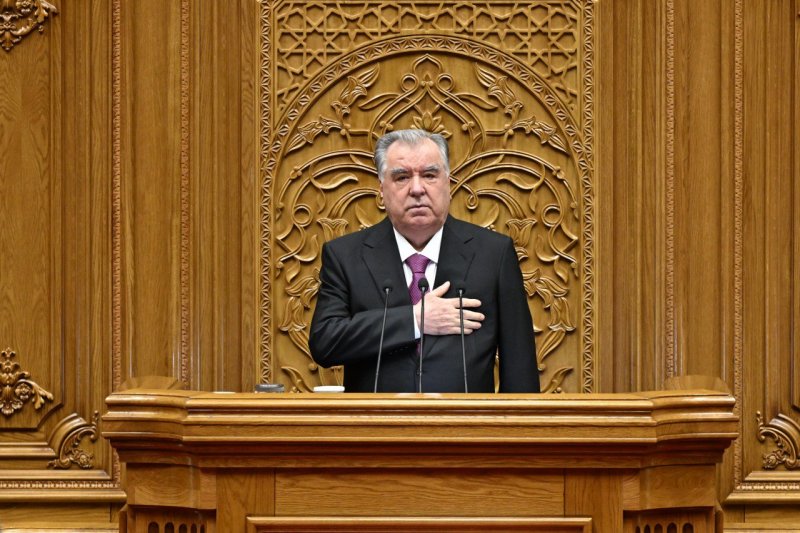
One of the most significant areas in which English contributes to international cooperation is education and science. English allows students and teachers to access international academic publications, participate in exchange programs and establish contacts with foreign universities. Tajikistan’s educational authorities have been developing programs aimed at improving the teaching and learning of English. In 2025, the Ministry of Education and Science reported the introduction of foreign-language programs based on international language proficiency levels. International educational cooperation also continues to develop. For example, in February 2026, Tajikistan and the United Kingdom signed a memorandum concerning cooperation in science, higher education and English-language study. These developments demonstrate that English language education is connected not only with individual professional development but also with broader international academic cooperation. Learning English is not limited to mastering vocabulary and grammar. It also introduces learners to different cultures, traditions and ways of communication. Therefore, English education can contribute to the development of intercultural competence. For students, intercultural competence is particularly important because international cooperation requires respect for cultural differences and the ability to communicate appropriately with people from different backgrounds. Through English, Tajik students can present their country’s history, culture, traditions and achievements to an international audience while simultaneously learning about other cultures. Despite the growing importance of English, several challenges remain. These include differences in students’ language proficiency, limited opportunities for authentic communication, the need for modern teaching materials, and the continuous professional development of teachers. Another important issue is the development of practical communication skills. Students should have opportunities to use English in realistic academic and professional situations rather than studying grammar separately from communication. The development of international standards and modern teaching methods can contribute to addressing these challenges. Current educational programs in Tajikistan increasingly emphasize internationally recognized levels of language proficiency. The future development of English language education in Tajikistan is closely connected with the country’s expanding international cooperation. As the Founder of Peace and National Unity Leader of the Nation, President of the Republic of Tajikistan, His Excellency Emomali Rahmon, has emphasized.
The English language is of great importance for strengthening international cooperation, the development of science, technology and the economy, and for the worthy presentation of Tajikistan on the world stage. This is so that we can convey our rich and illustrious history, our ancient and profound culture, and the achievements of our independent Tajikistan to the world, the study and thorough mastery of the English language as the primary means of international communication is an urgent necessity. Modern technologies, digital educational resources and international academic partnerships can create additional opportunities for students and teachers. In 2026, the Ministry of Education and Science discussed cooperation with Cambridge University Press and Assessment concerning the improvement of English-language education, teacher professional development and international assessment standards. Therefore, improving English language education can contribute to the preparation of specialists capable of participating effectively in international academic, scientific, economic and cultural cooperation. English language learning has become an important element of education and international communication in Tajikistan during the period of state independence. It contributes to communication with foreign partners, access to international scientific knowledge, academic cooperation, intercultural dialogue and professional development. The development of English language proficiency among students and specialists can strengthen their ability to participate in international projects and represent Tajikistan in the global community. Consequently, improving the quality of English language teaching, developing communicative competence and introducing modern educational technologies remain important tasks for the country’s education system. In conclusion, English should be viewed not simply as a foreign language subject, but also as an important instrument for education, intercultural communication and international cooperation.
Lutfiya Mamadakimovna Karimova is an assistant at the Department of the State Language and Foreign Languages of the Mining and Metallurgical Institute Tajikistan